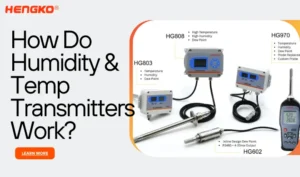
RS485 Modbus Sondă senzor de temperatură și umiditate
Fabricarea și comerțul cu ridicata

Din cele mai îndepărtate colțuri ale Pământului provine combustibilul care face posibilă viața modernă.

Pentru proiectul dvs.

Cel mai bun RS485 Modbus Temperatură Umiditate Transmițător Sonda Furnizor OEM

HENGKO este specializată în furnizarea de sonde durabile de înaltă calitate, concepute pentru măsurarea precisă și constantă a temperaturii și umidității. Interfața noastră avansată RS485 Modbus asigură o integrare perfectă cu o varietate de sisteme, ceea ce o face ideală pentru aplicații industriale, comerciale și de monitorizare a mediului.

1. Opțiune sondă din oțel inoxidabil seria HT

Senzorii de temperatură și umiditate Modbus HENGKO pentru o gamă largă de nevoi, de la sonde de temperatură și umiditate din oțel inoxidabil la sonde de înlocuire din plastic. Senzorii noștri sunt preciși, fiabili și durabile, făcându-le aplicații ideale pentru monitorizarea temperaturii și umidității, vă rugăm să ne contactați pentru a afla detalii.

2. Sondă standard seria HG

Experimentați combinația ideală de confort și eficiență cu sonda noastră standard din plastic, proiectată de experți pentru înlocuirea fără efort a senzorilor de temperatură și umiditate. Fabricată din materiale plastice poroase de înaltă calitate, această sondă ușor de instalat se integrează perfect cu sistemele dvs. actuale, oferind o soluție rentabilă pentru îmbunătățirea proiectului dvs.

Permiteți-ne să vă spunem de ce ar trebui să alegeți un transmițător de punct de rouă de la HENGKO

De ce să alegeți SUA

HENGKO, ca unul dintre cei mai importanți producători de sonde cu senzori de temperatură și umiditate, poate oferi soluții complete de monitorizare adaptate pentru o gamă largă de aplicații industriale, inclusiv măsurarea punctului de rouă și multe altele. 

Expertiza noastră în crearea de sonde senzoriale durabile și de înaltă calitate asigură o colectare precisă și fiabilă a datelor. Nu furnizăm doar componente; oferim soluții complete de monitorizare, integrând tehnologii avansate și modele ușor de utilizat pentru a vă satisface nevoile industriale specifice. 

Cu HENGKO, puteți obține mai mult decât un simplu produs - primiți un partener angajat să ofere excelență în monitorizarea temperaturii și umidității.

01

personalizați

Puteți personaliza complet sonda unică pentru noul dvs. produs senzor pe baza designului dvs. special, monitorului și cerințelor de mediu.

02

preț competitiv

Factory Sales, Veți obține un preț mult mai mic și competitiv datorită controlului nostru extrem de rentabil.

03

modernizarea produselor

Veți satisface întotdeauna nevoile pieței în continuă schimbare cu produsele noastre în continuă modernizare.

04

suport de marketing

Veți primi un suport de marketing puternic pentru a vă ajuta să vindeți produsele cu succes, suporturile materiale includ: imagini de înaltă rezoluție ale produselor, videoclipuri cool cu efect 3d și multe altele.

Peste 100 de branduri și organizații globale de top din diverse sectoare se bazează pe noi.

OEM SONDA DVS.

Personalizați-vă sonda unică a senzorului 485 pentru noi senzori sau emițătoare de temperatură și umiditate cu serviciile expert OEM HENGKO.

Fabrica noastră

HENGKO este un furnizor profesionist de senzori de temperatură și umiditate RS485 Modbus. În calitate de producător lider de transmițătoare de punct de rouă, transmițătoare de temperatură și umiditate și contoare portabile de punct de rouă, oferim o gamă largă de soluții adaptate nevoilor dumneavoastră specifice de monitorizare.

Produsele noastre sunt concepute cu accent pe precizie și fiabilitate, asigurând performanțe optime în diverse aplicații. Fie că aveți nevoie de un senzor de punct de rouă de înaltă calitate sau de un transmițător de umiditate robust, HENGKO are expertiza și produsele necesare pentru a vă sprijini proiectele în mod eficient.

Contactați-ne astăzi pentru a discuta despre cerințele dumneavoastră și pentru a descoperi cele mai bune soluții pentru nevoile dumneavoastră de monitorizare.

Transmițător de umiditate și producător de senzori în China de HENGKO
HENGKO prezintă un transmițător de temperatură și umiditate la târgul din Germania
HENGKO prezintă un transmițător de temperatură și umiditate la târgul din America

Totul despre RS485 Modbus Temperatura Umiditate Transmițător Sonda

Ce este un senzor de temperatură și umiditate RS485?

Pe scurt, un senzor de temperatură și umiditate RS485 este un dispozitiv care utilizează protocolul de comunicare RS485 pentru a trimite date despre temperatura și umiditatea mediului său către un computer gazdă sau alt dispozitiv. 

Acesta este adesea utilizat în aplicații industriale în care sunt necesare măsurători precise și fiabile ale temperaturii și umidității.

Transmițător de temperatură-umiditate I2C Opțiune sondă

RS485 este un standard de semnalizare diferențială echilibrată, pe două fire, proiectat pentru comunicarea pe distanțe lungi. Este mai rezistent la zgomot și interferențe decât alte protocoale de comunicare, cum ar fi RS232, și poate fi utilizat pentru a conecta mai mulți senzori la un singur computer gazdă.

RSenzori de temperatură și umiditate S485 utilizează de obicei un termistor și un senzor capacitiv de umiditate pentru a măsura temperatura și, respectiv, umiditatea. Termistorul este un rezistor a cărui rezistență se modifică în funcție de temperatură. Senzorul capacitiv de umiditate este un condensator a cărui capacitate se modifică în funcție de umiditate.

Senzorul convertește schimbările de rezistență și capacitate într-un semnal electric care este apoi trimis către computerul gazdă utilizând protocolul RS485. Computerul gazdă poate utiliza apoi datele pentru a monitoriza temperatura și umiditatea mediului sau pentru a controla dispozitive precum încălzitoare, aparate de aer condiționat și umidificatoare.


Aplicație

Senzorii de temperatură și umiditate RS485 sunt utilizați într-o mare varietate de aplicații, inclusiv:

  • Automatizarea clădirilor
  • Sisteme HVAC
  • Sere
  • Monitorizare agricolă și meteorologică
  • Controlul proceselor industriale
 

Atunci când alegeți un senzor RS485 de temperatură și umiditate, este important să să ia în considerare următorii factori:

  • The precizie și rezoluția senzorului
  • Intervalul de măsurare al senzorului
  • Temperatura de funcționare și intervalul de umiditate ale senzorului
  • Protocolul de comunicare al senzorului
 

Sper că acest lucru ajută!

Anunțați-mă dacă aveți alte întrebări.

Avantajul senzorului de temperatură-umezeală RS485

În ceea ce privește avantajul, întotdeauna sunt comparate cu alte tipuri de senzori, cum ar fi I2C sau 4-20mA, senzorii de temperatură și umiditate RS485 oferă mai multe avantaje distincte:

Distanță de comunicare mai mare:

RS485 poate transmite date în mod fiabil pe distanțe de până la 1200 de metri, ceea ce este semnificativ mai lung decât cei câțiva metri care se pot obține în mod obișnuit cu I2C. Acest lucru îl face ideal pentru instalații mari sau situații în care senzorii sunt răspândiți pe o suprafață mare.

Integrarea mai multor senzori:

Spre deosebire de protocoalele punct-la-punct, RS485 suportă comunicarea multi-drop, permițându-vă să conectați până la 32 de senzori pe un singur bus. Acest lucru simplifică cablarea și reduce costurile de achiziție a datelor în comparație cu necesitatea unor conexiuni individuale pentru fiecare senzor.

Imunitate mai mare la zgomot:

Datorită semnalizării sale echilibrate, diferențiale, RS485 este foarte rezistent la interferențe electromagnetice și la zgomotul de mod comun. Acest lucru asigură o transmisie fiabilă a datelor chiar și în medii industriale dificile.

Transfer de date mai rapid:

RS485 poate atinge rate de transfer de date mai rapide în comparație cu alte protocoale, permițând monitorizarea aproape în timp real a schimbărilor de temperatură și umiditate. Acest lucru poate fi crucial pentru aplicațiile în care timpul de răspuns rapid este esențial.

Compatibilitate și interoperabilitate:

RS485 este un standard utilizat pe scară largă și bine stabilit, ceea ce îl face compatibil cu o gamă largă de sisteme de achiziție de date și echipamente de control. Această flexibilitate simplifică integrarea sistemelor și reduce dependența de soluții brevetate.

Consum redus de energie:

Comparativ cu senzorii analogici (4-20mA), senzorii RS485 consumă în general mai puțină energie, în special pe distanțe mai mari. Acest lucru poate avantaja aplicațiile alimentate cu baterii sau situațiile în care eficiența energetică este importantă.

Comunicare și adresare digitală:

RS485 transmite datele digital, eliminând necesitatea conversiei analog-digital la recepție. Acest lucru îmbunătățește precizia și simplifică procesarea datelor. În plus, adresele individuale ale senzorilor permit achiziția selectivă de date și simplifică depanarea.

Reducerea costurilor de cablare:

Prin suportarea mai multor senzori pe un singur autobuz, RS485 reduce semnificativ cantitatea de cabluri necesare în comparație cu conexiunile individuale pentru fiecare senzor. Acest lucru se traduce prin economii de costuri la materiale și manoperă de instalare.

Astfel, senzorii de temperatură și umiditate RS485 oferă o combinație de comunicare robustă, versatilitate și precizie, ceea ce îi face alegerea preferată pentru o gamă largă de aplicații în domeniul industrial, agricol și al monitorizării mediului.

Sper că aceste informații despre avantaje vă pot ajuta să înțelegeți mai bine beneficiile utilizării senzorilor de temperatură și umiditate RS485!

Tipuri de senzori de temperatură-umezeală RS485

De asemenea, senzorii RS485 de temperatură și umiditate vin în diferite tipuri, fiecare fiind potrivit pentru nevoi și medii specifice. Iată o listă cu 5 tipuri de senzori RS485 populare pe piață:
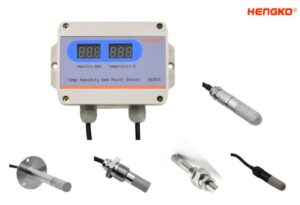
1. Senzori cu sondă:

  • Descriere: Acești senzori dispun de o sondă introdusă în mediu pentru a măsura direct temperatura și umiditatea.
  • Aplicații: Ideale pentru medii exterioare, sisteme HVAC și conducte datorită durabilității și contactului direct cu mediul.
  • Exemple: DFRobot SEN0438, Comet T3417.

2. Senzori montați pe perete:

wall mounted temperature and humidity sensor

  • Descriere: Proiectați pentru montarea pe perete în interior, acești senzori oferă o soluție convenabilă și de economisire a spațiului.
  • Aplicații: Potrivit pentru monitorizarea clădirilor de birouri, spitalelor și zonelor rezidențiale.
  • Exemple: Senzor de transmisie a temperaturii și umidității Garhelper, UbiBot RS485 TH30S-B.
 

3. Senzori portabili:

  • Descriere: Compacți și portabili, acești senzori sunt ideali pentru verificări punctuale și monitorizare temporară.
  • Aplicații: Util pentru personalul de întreținere, studii de mediu și investigații pe teren.
  • Exemple: În prezent, nu sunt disponibili mulți senzori portabili RS485 răspândiți.
 

4. Senzori cu siguranță intrinsecă:

  • Descriere: Având o construcție și o certificare speciale, acești senzori sunt siguri pentru utilizarea în medii periculoase cu gaze inflamabile sau praf.
  • Aplicații: Potrivit pentru rafinăriile de petrol și gaze, uzinele chimice și operațiunile miniere.
  • Exemple: Ecom Instruments Ex-i RS485 Transmițător de temperatură și umiditate.
 

5. Senzori Modbus:

  • Descriere: These sensors comply with the Modbus RTU protocol, enabling easy integration with existing Modbus-based control systems.
  • Aplicații: Ideal for industrial automation, building management systems, and SCADA systems.
  • Exemple: Most RS485 temperature and humidity sensors support Modbus RTU protocol.
 

Choosing the right type of RS485 temperature and humidity sensor depends on factors like your application, environment, budget, and desired features. Consider factors like measurement range, accuracy, communication protocol, and operating temperature range when making your selection.


How to Choose RS485 Temperature Humidity Transmitter for Your Environment Monitoring ?

Choosing the right RS485 temperature and humidity transmitter for your environment monitoring needs involves a good match between the sensor’s capabilities and your specific application.

Here’s are some key factors you should consider:

Environment and Sensor Type:

  • Outdoor/Harsh Environments: Look for probe sensors with weatherproof enclosures and wide operating temperature ranges. Intrinsically safe models are crucial for flammable or explosive environments.
  • Indoor Environments: Wall-mounted sensors offer a convenient and space-saving solution. Consider dust and humidity levels when choosing materials.

Required Measurements:

  • Accuracy and Resolution: Decide on the level of precision needed for your application. Higher accuracy often comes with a higher price tag.
  • Intervalul de măsurare: Ensure the sensor covers the expected temperature and humidity variations in your environment.

Communication and Integration:

  • Protocol de comunicare: Most RS485 sensors support Modbus RTU for easy integration with control systems. Check for compatibility with your existing setup.
  • Number of Sensors: If monitoring multiple locations, consider the maximum number of sensors supported by the bus topology.


Also Here are some helpful tips:

  • Consult the manufacturer’s specifications: Pay close attention to technical details like accuracy, operating range, and supported protocols.
  • Consider future needs: Choose a sensor with expandability if your monitoring needs might evolve.
  • Seek expert advice: If unsure, consult with environmental monitoring professionals for recommendations based on your specific application.


Carefully considering these factors, you can choose the perfect RS485 temperature and humidity transmitter for accurate and reliable environment monitoring, ensuring the optimal performance and well-being of your space. 

Why RS485 Modbus Temperature Humidity Sensor popular to use ?

The popularity of RS485 Modbus temperature and humidity sensors stems from a perfect blend of technical advantages and practical benefits they offer, making them a go-to choice for diverse monitoring applications.

 As following are key reasons behind their widespread use:

Robust Communication:

  • Transmisie pe distanțe lungi: RS485 boasts reliable data transmission over distances up to 1200 meters, far exceeding the capabilities of other protocols like I2C, making it ideal for large facilities or spread-out sensor networks.
  • Imunitate la zgomot: The balanced, differential signaling of RS485 effectively resists electromagnetic interference and common mode noise, ensuring accurate data even in harsh industrial environments.

Versatility and Scalability:

  • Multi-drop communication: Unlike point-to-point protocols, RS485 allows connecting up to 32 sensors on a single bus, simplifying wiring and reducing costs compared to individual connections.
  • Modbus compatibility: Most RS485 sensors comply with the widely used Modbus RTU protocol, enabling seamless integration with existing Modbus-based control systems and SCADA networks.

Enhanced Data Acquisition:

  • Faster data transfer: Compared to some other protocols, RS485 offers quicker data transfer rates, enabling near real-time monitoring of temperature and humidity changes, crucial for applications requiring fast response times.
  • Comunicarea digitală: RS485 transmits data digitally, eliminating the need for analog-to-digital conversion, improving accuracy and simplifying data processing.

More Other Advantages:

  • Reduced wiring costs: By supporting multiple sensors on a single bus, RS485 significantly minimizes wiring needs, translating to cost savings on materials and installation labor.
  • Lower power consumption: Compared to analog sensors, RS485 sensors generally consume less power, especially over long distances, beneficial for battery-powered applications or situations emphasizing energy efficiency.
  • Sensor addressing: Individual sensor addresses in the Modbus network allow for selective data acquisition and simplify troubleshooting.


Choose HENGKO’s RS485 Temperature and Humidity Sensor for your monitor system today. 


What RS485 Temperature Humidity Sensor Price ?

Întrebări frecvente

câteva întrebări despre punctul de rouă și transmițător și senzor pe care tu și oamenii doriți să le știți

RS485, also known as TIA-485 or EIA-485, is a standard that defines the electrical characteristics of drivers and receivers for use in serial communications systems. It’s essentially a language for devices to talk to each other over wires. Here are some key aspects of RS485:

Physical Layer:

  • Balanced, two-wire differential signaling: This transmits data across two twisted wires instead of the single wire in RS232. This makes it more resistant to noise and interference, allowing for longer communication distances (up to 1200 meters) compared to RS232.
  • Multipoint communication: Multiple devices can be connected to the same bus, unlike RS232’s limited point-to-point connection. This reduces wiring complexity and simplifies data acquisition in larger systems.

Protocol de comunicare:

  • Half-duplex: Data can only flow in one direction at a time, with devices taking turns to send and receive. This requires some additional logic compared to full-duplex protocols, but it simplifies hardware design and reduces costs.
  • Asynchronous data transfer: Data is sent without a clock signal, requiring each byte to be framed with start and stop bits. This is more flexible than synchronous transmission but can be slower at higher data rates.

Beneficii:

  • Long communication distances: Ideal for large facilities or geographically dispersed systems.
  • Imunitate la zgomot: Reliable data transmission even in harsh environments with electrical interference.
  • Multiple device support: Connects multiple sensors or devices on a single bus, reducing wiring complexity and costs.
  • Widely used standard: Compatible with a large range of equipment and control systems.
  • Lower power consumption: Compared to analog sensors, RS485 sensors generally consume less power, especially over long distances.

Aplicații:

  • Building automation: Controlling HVAC systems, lighting, and security systems.
  • Controlul proceselor industriale: Monitoring and managing manufacturing processes.
  • Monitorizarea mediului: Tracking temperature, humidity, and other environmental factors.
  • Agricultură: Monitoring soil moisture, greenhouse conditions, and crop health.
  • Data acquisition systems: Collecting data from multiple sensors or devices.


Overall, RS485 is a versatile and robust communication standard widely used for reliable data transmission in various applications. If you’re looking for a way to connect multiple devices over long distances or in noisy environments, RS485 might be a good fit.

Let me know if you have any further questions about RS485 or its applications. 

Choosing between RS232 and RS485 depends on your specific needs, as each communication standard has its advantages and disadvantages. Here’s a comparison to help you decide:

Physical Layer:

  • RS232: Single-ended data transmission using three wires (ground, transmit, receive), prone to noise and interference. Limited to short distances (about 50 feet).
  • RS485: Balanced, differential signaling using two twisted wires, making it immune to noise and interference. Can reach distances up to 1200 meters.

Protocol de comunicare:

  • RS232: Point-to-point connections, only two devices can communicate at a time. Full-duplex (data can flow in both directions simultaneously). Synchronous or asynchronous data transfer.
  • RS485: Multi-drop communication, allows connection of up to 32 devices on a single bus. Half-duplex (data flows in one direction at a time). Asynchronous data transfer.

Performanță:

  • RS232: Lower data rates (up to 3 Mbps), suitable for simple data transfers.
  • RS485: Higher data rates (up to 40 Mbps), better for larger data volumes and faster communication.

Cost:

  • RS232: Generally cheaper for hardware and cabling.
  • RS485: Requires specialized twisted-pair cabling and termination resistors, slightly more expensive than RS232.

Aplicații:

  • RS232: Ideal for point-to-point connections over short distances, like connecting a computer to a printer or modem.
  • RS485: Well-suited for multi-point communication and long distances, often used in industrial automation, environmental monitoring, and building automation systems.

Here’s a quick summary table, so you can easy to understand:

CaracteristicăRS232RS485
DistanceUp to 50 feetUp to 1200 meters
Number of devices2 (point-to-point)Up to 32 (multi-drop)
Data rateUp to 3 MbpsUp to 40 Mbps
Noise immunityLowHigh
CostLowerSlightly higher
AplicațiiPoint-to-point connections over short distancesMulti-point communication, long distances

Ultimately, the best choice depends on your specific requirements.

If you need to connect two devices over a short distance and cost is a major concern, RS232 may be sufficient.

But if you need to connect multiple devices over longer distances, higher data rates, and immunity to noise are important, then RS485 is the better option.

Here’s a guide to connecting RS485 devices:

1. Wiring:

  • Utilizare twisted-pair cable (e.g., CAT5 or CAT6) for noise immunity.
  • Connect all devices in a daisy-chain topology with two wires:
    • A (Data+): Connect to the A terminal on all devices.
    • B (Data-): Connect to the B terminal on all devices.
  • Ground (GND): Optional for grounding, but recommended for shielding and potential difference reduction.

2. Termination Resistors:

  • Place a 120-ohm termination resistor across A and B at both ends of the bus to prevent signal reflections.
  • For a large number of devices, termination resistors might be needed at intermediate points as well.

3. Device Addressing (if applicable):

  • If using a protocol like Modbus that requires addressing, assign unique addresses to each device on the bus.

4. Data Transmission:

  • RS485 uses half-duplex communication, so devices can only transmit or receive at a time.
  • Coordinate communication to avoid collisions.

Additional Considerations:

  • Distance: Limit the total cable length to 1200 meters (4000 feet) for reliable communication.
  • Data Rate: Adjust the data rate based on cable length and noise levels.
  • Power Supply: Ensure devices have compatible power supplies.
  • Shielding: Consider shielded cable in high-noise environments.
  • Ground Loops: Prevent ground loops by properly grounding all devices.
  • Bus Access Control: Implement a mechanism to control which device can transmit at a given time, especially for multi-drop systems.

The maximum theoretical distance for RS485 communication is 1200 meters (4000 feet). However, achieving this distance in practice depends on several factors, and it’s not always possible:

Cable Quality: Higher quality, thicker twisted-pair cable with lower capacitance allows for longer distances as it minimizes signal attenuation.

Data Rate: Lower data rates experience less attenuation over longer distances. For reliable communication at 1200 meters, you might need to lower the data rate significantly compared to shorter distances.

Noise and Interference: The presence of electrical noise and electromagnetic interference in the environment can significantly reduce the maximum achievable distance. Shielded cables help mitigate these effects.

Termination Resistors: Improperly chosen or placed termination resistors can lead to reflections and signal distortion, limiting the effective distance.

Number of Devices: The more devices connected to the bus, the higher the signal load and the shorter the maximum achievable distance.

Overall System Design: Proper bus topology, grounding, and power supply considerations can improve signal integrity and potentially extend the achievable distance.

In practical situations, the maximum reliable distance for RS485 is often considerably lower than the theoretical 1200 meters. It’s advisable to aim for 500-800 meters as a more realistic expectation, and even less under challenging conditions.

Choosing the right type of RS485 communication cable is crucial for reliable data transmission in your specific applications. Here’s a breakdown of the main types and their suitability:

1. Twisted-Pair Cable:

  • Standard Choice: Most common type for RS485.
  • Types: Unshielded twisted-pair (UTP), shielded twisted-pair (STP), and foil-shielded twisted-pair (FTP).
  • UTP: Most affordable, suitable for low-noise environments and short distances.
  • STP and FTP: Provide better noise immunity due to shielding, ideal for noisy environments or longer distances.
  • Cable Category: Consider CAT5 or higher rated categories for improved noise rejection and higher potential data rates.

2. Coaxial Cable:

  • Less Common: Primarily used in high-noise environments or for video surveillance applications.
  • Offers excellent noise immunity due to its shielding, but more expensive and less flexible than twisted-pair cable.

3. Fiber Optic Cable:

  • Long-Distance Solution: Ideal for distances exceeding 1200 meters (4000 feet).
  • Immune to electrical interference and noise, but most expensive option.

Choosing the Right Cable:

  • Consider the environment: Noise level, temperature range, and presence of interference.
  • Distance: Match the cable type to the required communication distance.
  • Data Rate: Higher data rates might require higher quality cable (e.g., CAT6).
  • Budget: Consider cost against performance needs.

Additional Factors:

  • Cable Thickness: thicker gauge offers better signal strength and longer distances.
  • Connector Type: Choose compatible connectors with your devices (e.g., RJ45, DB9).
  • Outdoor Use: Opt for cables with UV protection and moisture resistance if used outdoors.

Here are some examples of commonly used RS485 communication cables:

  • UTP Cable: Belden 4854F, Alpha Wire 6453 BK005.
  • STP Cable: Belden 9841, Belden 3105F.
  • Fiber Optic Cable: Corning SMF-28 Single-Mode Fiber Optic Cable.

Remember, the best type of RS485 communication cable depends on your specific needs and environment. By carefully considering the factors mentioned above, you can choose the most suitable and cost-effective cable for reliable data transmission in your RS485 applications.

Choosing between a Modbus RS485 temperature and humidity sensor or a 4-20mA sensor depends on several factors specific to your application. Here’s a breakdown of their key differences to help you decide:

Modbus RS485 Temperature and Humidity Sensor:

Avantaje:

  • Comunicarea digitală: Provides accurate and reliable data transmission over long distances (up to 1200 meters) with immunity to electrical noise.
  • Multi-sensor support: Allows connecting multiple sensors on a single bus, reducing wiring complexity and costs.
  • Data flexibility: Offers more data points than 4-20mA sensors, including temperature, humidity, and potentially other environmental parameters.
  • Integration with control systems: Easily integrates with existing Modbus-based control systems and SCADA networks.

Cons:

  • Potentially higher cost: Can be more expensive than 4-20mA sensors due to the digital communication protocol.
  • Requires technical knowledge: Setting up and configuring the Modbus network might require some technical expertise.
  • Power consumption: May consume slightly more power than 4-20mA sensors.


4-20mA Temperature and Humidity Sensor:

Avantaje:

  • Simplu și fiabil: Widely used and well-understood technology, offering simple installation and easy troubleshooting.
  • Lower cost: Generally more affordable than Modbus RS485 sensors.
  • Lower power consumption: Consumes less power, making it suitable for battery-powered applications.

Cons:

  • Analog communication: Limited data transmission range (typically about 30 meters) and prone to noise interference.
  • Single sensor support: Only transmits data for one parameter (temperature or humidity) per sensor.
  • Integration complexity: Requires additional analog-to-digital conversion for integration with digital control systems.


Which is right for you?

  • Choose Modbus RS485 if:
    • You need to monitor multiple sensors over long distances.
    • You require accurate and reliable digital data transmission.
    • You have existing Modbus-based control systems for easy integration.
  • Choose 4-20mA if:
    • You only need to monitor one parameter (temperature or humidity).
    • You have budget constraints and prioritize affordability.
    • You have existing analog control systems or simple data acquisition needs.

Factori suplimentari de luat în considerare:

  • Accuracy and resolution: Both types of sensors offer varying levels of accuracy and resolution. Choose the one that meets your specific needs.
  • Condiții de mediu: Consider the sensor’s operating temperature range, humidity tolerance, and weatherproof rating for your application.
  • Power supply: Ensure the sensor’s power requirements are compatible with your available power source.


Ultimately, the best choice depends on your specific application requirements, budget, and technical expertise. Consider the pros and cons of each type and carefully evaluate your needs before making a decision.

I hope this information helps you choose the right temperature and humidity sensor for your project! Feel free to ask if you have any further questions or need help comparing specific models.

Compared to other types of humidity sensors, such as I2C or 4-20mA, RS485 humidity sensors offer several distinct advantages, making them a preferred choice for various monitoring applications. Here’s a breakdown of the key benefits:

1. Long-distance Communication:

  • RS485 allows reliable data transmission over distances of up to 1200 meters, significantly exceeding the capabilities of I2C (typically limited to a few meters) and even exceeding the typical range of 4-20mA sensors (around 30 meters). This makes it ideal for large facilities, geographically dispersed systems, or situations where sensors are spread out over a wide area.

2. Multi-sensor Integration:

  • Unlike point-to-point protocols like I2C, RS485 supports multi-drop communication, allowing you to connect up to 32 sensors on a single bus. This simplifies wiring, reduces wiring costs, and facilitates centralized data acquisition from multiple locations.

3. Higher Noise Immunity:

  • Thanks to its balanced, differential signaling, RS485 is highly resistant to electromagnetic interference and common mode noise. This ensures reliable data transmission even in harsh industrial environments with electrical noise or harsh weather conditions.

4. Faster Data Transfer:

  • RS485 can achieve faster data transfer rates compared to some other protocols, allowing for near real-time monitoring of humidity changes. This can be crucial for applications where quick response times are critical, such as climate control systems or environmental monitoring.

5. Compatibility and Interoperability:

  • RS485 is a widely used and well-established standard, making it compatible with a large range of data acquisition systems and control equipment. This flexibility simplifies system integration and reduces reliance on proprietary solutions.

6. Digital Communication and Addressing:

  • RS485 transmits data digitally, eliminating the need for analog-to-digital conversion at the receiving end. This improves accuracy and simplifies data processing. Additionally, individual sensor addresses allow for selective data acquisition and simplify troubleshooting.

7. Reduced Wiring Costs:

  • By supporting multiple sensors on a single bus, RS485 significantly reduces the amount of wiring needed compared to individual connections for each sensor. This translates to cost savings on materials and installation labor.

8. Lower Power Consumption:

  • Compared to analog (4-20mA) sensors, RS485 sensors generally consume less power, especially over long distances. This can benefit battery-powered applications or situations where energy efficiency is important.

9. Scalability and Expandability:

  • RS485 facilitates adding more sensors or devices to the network effortlessly, making it easily scalable for future needs.

In conclusion, the advantages of RS485 humidity sensors make them a robust and versatile choice for various monitoring applications. Their long-distance communication, multi-sensor support, noise immunity, and faster data transfer rates, coupled with their compatibility, digital communication, and reduced wiring costs, make them well-suited for industrial, agricultural, environmental, and building automation applications.

Both stainless steel and plastic probes offer advantages and disadvantages for temperature and humidity sensors, making the choice depend on your specific needs and application. Here’s a breakdown of their key differences to help you decide:

Stainless Steel Probes:

Avantaje:

  • Durabilitate: Highly resistant to corrosion, rust, and harsh chemicals, making them ideal for industrial environments or outdoor use.
  • Wider temperature range: Can withstand a broader range of temperatures than plastic probes, typically from -40°C to 250°C or higher.
  • Faster thermal response: Conducts heat quickly, resulting in faster and more accurate temperature readings.
  • Mechanical strength: Strong and resistant to physical damage.

Cons:

  • Costuri mai mari: Generally more expensive than plastic probes.
  • Condensation issues: Can be prone to condensation in high humidity environments, potentially affecting humidity readings.
  • Weight: Heavier than plastic probes, which can be a factor in certain applications.


Plastic Probes:

Avantaje:

  • Lower cost: Typically more affordable than stainless steel probes.
  • Lighter weight: Easier to handle and install, especially in large quantities.
  • Less prone to condensation: Can be advantageous in high humidity environments compared to stainless steel.
  • Good electrical insulation: Suitable for applications where electrical isolation is important.

Cons:

  • Limited temperature range: Typically have a narrower temperature range than stainless steel probes, often limited to around -20°C to 80°C.
  • Slower thermal response: Conducts heat less efficiently, resulting in slower and potentially less accurate temperature readings.
  • Less durable: Prone to cracking, breaking, or degrading in harsh environments or when exposed to certain chemicals.


Factori suplimentari de luat în considerare:

  • Accuracy and resolution: Both types of probes offer varying levels of accuracy and resolution. Choose the one that meets your specific needs.
  • Timp de răspuns: Consider how quickly you need the sensor to respond to changes in temperature and humidity.
  • Application environment: Choose a probe material suitable for the environmental conditions it will be exposed to, such as temperature range, humidity levels, and potential chemical exposure.
  • Cost and budget: Factor in the cost of the probe itself and any potential installation or maintenance requirements.

In conclusion, the best choice between a stainless steel and a plastic probe for your temperature and humidity sensor depends on your specific application and priorities.

Consider the factors mentioned above, like durability, temperature range, cost, and environmental conditions, to make an informed decision.

Ai nevoie de ajutor?

Contactați HENGKO astăzi pentru orice întrebări legate de senzorul, transmițătorul și soluția pentru temperatură și umiditate

+(86) 0755-28502380

sales@hengkometer.com

Contactați-ne

Mesaje recente

Contactați-ne

we will reply you within 24-Hours

Contactați echipa noastră de experți pentru asistență personalizată și vă vom oferi prompt cele mai bune soluții de transmițătoare și senzori de temperatură și umiditate adaptate nevoilor dumneavoastră specifice.

Urmăriți rețelele noastre sociale

News & Insight

CONTACTAȚI-NE

Pentru toate întrebările, vă rugăm să nu ezitați să ne contactați la: