






Why Standard Sensors Fail in High-Temperature Humidity Measurement ?
Why Standard Humidity Sensors Fail in High-Temperature Environments Quick Summary Standard humidity sensors are mainly

Pequenas gotas, grande impacto: como os transmissores de ponto de orvalho moldam seu mundo
Início " Transmissor de ponto de orvalho
Descubra os principais fatores a serem considerados ao selecionar o transmissor ideal de temperatura e umidade do ponto de orvalho para um monitoramento ambiental confiável e preciso em várias aplicações da HENGKO.
Verifique primeiro o guia de seleção do sensor/transmissor de ponto de orvalho
| Modelo | Por condição de aplicação | Principais recursos |
| 1. Inline Dew Point Transmitter (Small HG602 Series ) | ||
Precisão padrão Medição do ponto de orvalho Dew Point Range: -60 … +60°C | - ±2 °C (±3.6℉)Td Accuracy (Dew Point) | |
| HG602-G (new) | Acidic / Corrosive Gas Environment Monitoramento do ponto de orvalho Dew Point Range: -60 … +20°C | – ±3 °C (±5.4℉)Td Accuracy (Dew Point) – 316L stainless steel + anti-corrosion coating – Oil, salt spray & acid resistant (IP65 housing) – Suitable for HF, Cl₂, NH₃ and organic vapor applications |
Ambiente frio e seco Medição do ponto de orvalho Dew Point Range: -30 … +50°C | - ±1℃ (±3.6℉) Td Accuracy (Dew Point) | |
| 2. Box Type Dew Point Transmitter ( HG808 Series ) | ||
| HG808-D | Medição do ponto de orvalho em ambiente com temperatura normal Dew Point Range: -60 … +90°C | – Dew Point Accuracy: ±2℃ (±5.4℉) Td |
Chemical / Acidic / Solvent Gas Monitoring Dew Point Range: -60 … +20°C | – Dew Point Accuracy: ±3℃ (±5.4℉) Td | |
| HG808-A | Ultra High Temperature Moisture-Sensitive Applications + Medição do ponto de orvalho Dew Point Range: -20 … +100°C | – Dew Point Accuracy: ±3℃ (±5.4℉) Td – Operates +80 °C to +180 °C (200 °C Short-lived) – 316L stainless steel sensor housing – Fast response & long-term stability under heat stress |
Série HG602
O sensor de ponto de orvalho em linha é uma ferramenta inovadora projetada para se integrar perfeitamente a vários sistemas industriais e comerciais.
Série HG808
A HENGKO oferece uma ampla variedade de sensores de ponto de orvalho de temperatura e umidade para muitas aplicações.
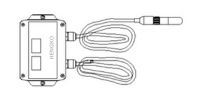
A HENGKO oferece uma ampla gama de sensores industriais de temperatura e umidade adequados para várias necessidades de monitoramento, que vão desde sondas de aço inoxidável para transmissores de ponto de orvalho e os seguintes 6 tipos de soluções de dispositivos de monitoramento de temperatura e umidade. Nosso foco é fornecer sensores precisos, confiáveis e de longa duração, o que os torna perfeitos para uma grande variedade de aplicações.
Série HG970
O medidor portátil de ponto de orvalho é um dispositivo compacto e portátil projetado para a medição precisa e conveniente da umidade em vários ambientes.
A HENGKO é líder global em soluções de sensores industriais, com uma reputação de design exclusivo e excelente desempenho. Nossos transmissores e sensores de temperatura e umidade são usados em uma ampla gama de setores, incluindo alimentos e bebidas, farmacêutico, manufatura e monitoramento ambiental.
Você pode personalizar totalmente um produto exclusivo de sensor de ponto de orvalho com base em nossa série de transmissores de ponto de orvalho patenteados e projetados por nós mesmos.
Você obterá um preço muito mais baixo e competitivo devido ao nosso controle extremamente econômico.
Você sempre atenderá às necessidades do mercado em constante mudança com nossos produtos em constante atualização.
Você terá um forte suporte de marketing para ajudá-lo a vender produtos com sucesso. Os suportes materiais incluem: imagens de produtos em alta resolução, vídeos legais com efeito 3d e MUITO mais.


Sensor de ponto de orvalho para monitorar o sistema de ar comprimido: garantindo o controle ideal da umidade e da qualidade do ar para a sua máquina de compressão de ar
A HENGKO é uma fabricante líder de transmissores profissionais de ponto de orvalho, transmissores de temperatura e umidade e medidores portáteis de ponto de orvalho. Oferecemos uma ampla variedade de soluções de monitoramento de temperatura e umidade para atender às suas necessidades específicas.
Nossos produtos são projetados para oferecer precisão e confiabilidade, garantindo o desempenho ideal em várias aplicações. Se você precisa de um sensor de ponto de orvalho de alta qualidade ou de um transmissor de umidade robusto, a HENGKO tem a experiência e os produtos para dar suporte ao seu projeto.
Entre em contato conosco hoje mesmo para discutir seus requisitos e descobrir as melhores soluções para suas necessidades de monitoramento.


O ponto de orvalho é a temperatura à qual o ar deve ser resfriado para ficar saturado com vapor de água. Em outras palavras, é a temperatura na qual o ar não pode mais reter mais vapor de água na forma de gás. Se o ar for resfriado ainda mais, o excesso de vapor de água se condensará em água líquida, formando o orvalho.
O ponto de orvalho é um parâmetro meteorológico importante porque é uma medida da quantidade de umidade no ar. Quanto mais alto o ponto de orvalho, mais umidade o ar contém. Isso pode fazer com que o ar fique abafado ou desconfortável, especialmente em um dia quente.
O ponto de orvalho também é usado para prever a formação de neblina e orvalho. Se o ponto de orvalho estiver próximo da temperatura do ar, é provável que haja formação de neblina ou orvalho. Isso ocorre porque o ar está próximo de ficar saturado e qualquer resfriamento adicional fará com que o vapor de água se condense.
Aqui está uma tabela de níveis gerais de conforto usando o ponto de orvalho:
| Ponto de orvalho (°F) | Nível de conforto |
|---|---|
| Abaixo de 50 | Confortável |
| 50-60 | Um pouco abafado |
| 60-65 | Muggy |
| 65-70 | Muito abafado |
| Acima de 70 | Opressivo |
Como você pode ver, o ponto de orvalho é um bom indicador da sensação de conforto do ar. Se estiver planejando ficar ao ar livre, é uma boa ideia verificar a previsão do ponto de orvalho antes de sair.
Here are some of the main features of dew point transmitters:
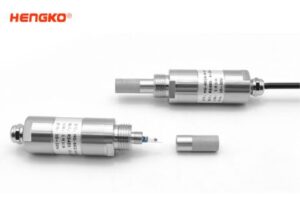
In addition to these main features, dew point transmitters may also offer a variety of other features, such as:
Dew point transmitters are a valuable tool for measuring and monitoring moisture content in a variety of applications. They are accurate, reliable, and versatile, and they can be used to improve the quality of products, protect equipment, and optimize industrial processes.
There are three main types of dew point transmitters: chilled mirror, polymer, and metal oxide.
Espelho refrigerado
Chilled mirror dew point transmitters are the most accurate type of dew point transmitter. They work by cooling a mirror until water vapor condenses on its surface. The temperature of the mirror is then measured, and this temperature is the dew point. Chilled mirror dew point transmitters are typically used in applications where high accuracy is required, such as in the pharmaceutical and semiconductor industries.
Polímero
Polymer dew point transmitters are less accurate than chilled mirror dew point transmitters, but they are also less expensive. They work by measuring the change in electrical resistance of a polymer sensor as moisture content changes. Polymer dew point transmitters are typically used in applications where cost is a major concern, such as in the HVAC industry.
Óxido metálico
Metal oxide dew point transmitters are similar to polymer dew point transmitters, but they use a different type of sensor. Metal oxide dew point transmitters are typically used in applications where a wide measuring range is required, such as in the food and beverage industry.
Here is a table comparing the three main types of dew point transmitters:
| Recurso | Chilled Mirror | Polímero | Metal Oxide |
|---|---|---|---|
| Precisão | Alta | Medium | Medium |
| Custo | Alta | Baixa | Medium |
| Measuring Range | Wide | Narrow | Wide |
| Tempo de resposta | Slow | Fast | Medium |
| Manutenção | Alta | Baixa | Medium |
| Aplicativos | Pharmaceutical, Semiconductor | HVAC | Alimentos e bebidas |
The best type of dew point transmitter for a particular application will depend on the specific requirements of the application. In general, chilled mirror dew point transmitters are the best choice for applications where high accuracy is required. Polymer dew point transmitters are a good choice for applications where cost is a major concern. Metal oxide dew point transmitters are a good choice for applications where a wide measuring range is required.
Dew point transmitters are important in a variety of applications, including:
Sistemas HVAC: Dew point transmitters are used in HVAC systems to control humidity levels. Humidity is important for human comfort and health. Too much humidity can make the air feel muggy and uncomfortable, and it can also lead to the growth of mold and mildew. Too little humidity can make the air feel dry and can also lead to respiratory problems.
Controle de processos industriais: Dew point transmitters are used in industrial process control to ensure that products are manufactured under the correct humidity conditions. Humidity can affect the quality of many products, such as pharmaceuticals, semiconductors, and food and beverages.
Monitoramento ambiental: Dew point transmitters are used in environmental monitoring to track changes in moisture content in the atmosphere. This information can be used to forecast weather conditions and to identify potential environmental problems.
Here are some specific examples of how dew point transmitters are used in different industries:
Pharmaceutical industry: Dew point transmitters are used to control humidity levels in clean rooms where pharmaceuticals are manufactured. Humidity levels must be carefully controlled to prevent the degradation of drugs and to ensure that they are manufactured to the highest quality standards.
Semiconductor industry: Dew point transmitters are used to control humidity levels in semiconductor fabrication plants. Humidity levels must be carefully controlled to prevent the contamination of wafers and to ensure that semiconductors are manufactured to the highest quality standards.
Food and beverage industry: Dew point transmitters are used to control humidity levels in food and beverage production facilities. Humidity levels must be carefully controlled to prevent the growth of mold and mildew, to ensure that products have the correct texture, and to extend the shelf life of products.
HVAC industry: Dew point transmitters are used in HVAC systems to control humidity levels in homes, offices, and other buildings. Humidity levels must be carefully controlled to ensure human comfort and health.
Monitoramento ambiental: Dew point transmitters are used in environmental monitoring stations to track changes in moisture content in the atmosphere. This information can be used to forecast weather conditions and to identify potential environmental problems, such as drought or flooding.
As you can see, dew point transmitters are important in a wide variety of applications. They are essential for ensuring the quality of products, protecting equipment, and optimizing industrial processes.
In addition to the benefits listed above, dew point transmitters can also help to:
Choosing the right dew point transmitter for your compressed air system is crucial for maintaining efficient operation and ensuring the quality of your products. Here’s a comprehensive guide to selecting the most suitable dew point transmitter for your specific needs:
Determine the Required Accuracy: Consider the accuracy requirements of your application. If you need precise dew point measurements, a chilled mirror dew point transmitter is the most accurate option. However, if cost is a primary concern, a polymer or metal oxide dew point transmitter may be sufficient.
Evaluate the Measuring Range: Assess the dew point range you need to measure. Compressed air systems typically operate within a specific dew point range, so ensure the transmitter can cover that range effectively.
Consider Response Time and Maintenance: Response time is essential for detecting changes in dew point quickly. If real-time monitoring is critical, choose a transmitter with a fast response time. Maintenance requirements also vary between types. Chilled mirror transmitters require more maintenance, while polymer and metal oxide transmitters are generally low-maintenance.
Select the Appropriate Output Options: Decide on the output options you need for integration with your system. Common output options include analog (4-20 mA or 0-10 V), digital (RS-485 or Modbus), and alarm relays.
Environmental Considerations: Evaluate the environmental conditions where the transmitter will be installed. Choose a transmitter that can withstand the expected temperature, humidity, and vibration levels.
Additional Features: Consider additional features that may be beneficial, such as data logging, alarm setpoints, and remote access capabilities. These features can enhance monitoring and control capabilities.
Consult with Experts: If you have complex requirements or need assistance in selecting the most suitable dew point transmitter, consult with experienced professionals in the field. They can provide tailored recommendations based on your specific application and needs.
Here’s a summary table to aid in your selection:
| Recurso | Chilled Mirror | Polímero | Metal Oxide |
|---|---|---|---|
| Precisão | Alta | Medium | Medium |
| Custo | Alta | Baixa | Medium |
| Measuring Range | Wide | Narrow | Wide |
| Tempo de resposta | Slow | Fast | Medium |
| Manutenção | Alta | Baixa | Medium |
| Aplicativos | Pharmaceutical, Semiconductor | HVAC | Alimentos e bebidas |
| Output Options | Analog, Digital, Alarm Relays | Analog, Digital | Analog, Digital |
| Additional Features | Data Logging, Alarm Setpoints, Remote Access | Limitada | Limitada |
A saída de 4-20 mA é uma escolha popular para sensores de ponto de orvalho porque é uma saída industrial padrão compatível com uma ampla gama de sistemas de controle. É também uma saída muito confiável e resistente a ruídos, o que a torna adequada para uso em ambientes industriais adversos.
Aqui estão algumas das vantagens de usar uma saída de 4-20 mA para sensores de ponto de orvalho:
Compatibilidade: A saída de 4-20 mA é compatível com uma ampla gama de sistemas de controle, incluindo PLCs, DCSs e sistemas SCADA. Isso facilita a integração dos sensores de ponto de orvalho aos sistemas de controle existentes.
Confiabilidade: A saída de 4-20 mA é uma saída muito confiável que não é suscetível à interferência de ruídos. Isso é importante para os sensores de ponto de orvalho, que geralmente são usados em ambientes industriais adversos.
Precisão: A saída de 4-20 mA pode fornecer medições precisas do ponto de orvalho. Isso é importante para aplicações em que é necessário um controle preciso do ponto de orvalho.
Alcance: A saída de 4-20 mA pode abranger uma ampla faixa de valores de ponto de orvalho. Isso o torna adequado para uma variedade de aplicações.
Custo: A saída de 4-20 mA é uma saída relativamente barata de implementar. Isso a torna uma opção econômica para sensores de ponto de orvalho.
Além das vantagens listadas acima, a saída de 4-20 mA também é uma saída muito versátil. Ela pode ser usada para transmitir uma variedade de outros parâmetros, como temperatura, pressão e taxa de fluxo. Isso a torna uma saída valiosa para uma ampla gama de aplicações industriais.
Aqui estão alguns exemplos de aplicações em que os sensores de ponto de orvalho com saídas de 4-20 mA são comumente usados:
Sistemas de ar comprimido: Os sensores de ponto de orvalho são usados em sistemas de ar comprimido para monitorar e controlar o teor de umidade do ar. Isso é importante para evitar corrosão e outros danos ao equipamento.
Sistemas HVAC: Os sensores de ponto de orvalho são usados em sistemas HVAC para controlar os níveis de umidade em edifícios. Isso é importante para o conforto e a saúde das pessoas.
Processos de secagem industrial: Os sensores de ponto de orvalho são usados em processos de secagem industrial para monitorar e controlar o teor de umidade do produto que está sendo seco. Isso é importante para garantir a qualidade do produto.
Processamento de alimentos e bebidas: Os sensores de ponto de orvalho são usados no processamento de alimentos e bebidas para controlar o teor de umidade do produto que está sendo processado. Isso é importante para garantir a segurança e a qualidade do produto.
Monitoramento ambiental: Os sensores de ponto de orvalho são usados em estações de monitoramento ambiental para rastrear as mudanças no teor de umidade na atmosfera. Essas informações podem ser usadas para prever as condições climáticas e identificar possíveis problemas ambientais.
Como você pode ver, os sensores de ponto de orvalho com saídas de 4-20 mA são uma ferramenta valiosa para uma ampla gama de aplicações industriais. Eles são confiáveis, precisos e versáteis, e podem ser facilmente integrados aos sistemas de controle existentes.
O preço dos transmissores de ponto de orvalho pode variar de acordo com o fabricante, os recursos e a precisão do transmissor. Em geral, os transmissores de ponto de orvalho com maior precisão e mais recursos custarão mais do que os transmissores de ponto de orvalho com menor precisão e menos recursos.
Com base em minha pesquisa, eu diria que o preço dos transmissores de ponto de orvalho é geralmente justo. O custo dos componentes e da mão de obra necessários para fabricar transmissores de ponto de orvalho é alto, e as empresas que fabricam transmissores de ponto de orvalho precisam recuperar esses custos para se manterem no mercado. Além disso, os transmissores de ponto de orvalho são usados em várias aplicações críticas, portanto, é importante que sejam confiáveis e precisos. O alto preço dos transmissores de ponto de orvalho reflete o fato de que eles são instrumentos de alta qualidade nos quais se pode confiar para fornecer medições precisas.
Aqui estão alguns fatores que podem afetar o preço de um transmissor de ponto de orvalho:
Aqui está uma tabela com a faixa de preço dos transmissores de ponto de orvalho no mercado:
| Tipo | Faixa de preço |
|---|---|
| Espelho refrigerado | $2,000 – $10,000 |
| Polímero | $500 – $2,000 |
| Óxido metálico | $500 – $1,500 |
Como você pode ver, a faixa de preço dos transmissores de ponto de orvalho pode variar dependendo do tipo de transmissor. Os transmissores de ponto de orvalho de espelho resfriado são o tipo mais caro de transmissor, mas também são os mais precisos. Os transmissores de ponto de orvalho de polímero e óxido metálico são mais baratos, mas também são menos precisos.
O preço dos transmissores de ponto de orvalho também pode variar de acordo com os recursos do transmissor. Por exemplo, os transmissores de ponto de orvalho com registro de dados, pontos de ajuste de alarme e recursos de acesso remoto normalmente custam mais do que os transmissores de ponto de orvalho com menos recursos.
Se estiver procurando um transmissor de ponto de orvalho de alta qualidade, eu recomendaria comprar um de uma marca conhecida que tenha boa reputação de qualidade e confiabilidade. Você também deve considerar os recursos que são importantes para você e a precisão necessária. Se não tiver certeza de qual transmissor de ponto de orvalho é o ideal para você, recomendo consultar um profissional que possa ajudá-lo a tomar uma decisão informada.
Algumas perguntas sobre Ponto de Orvalho, Transmissor e Sensor que você e as pessoas gostam de saber
A high dew point means that the air can hold a lot of moisture before it becomes saturated and condensation occurs. In general, a dew point above 60°F (15°C) is considered high. High dew points can make the air feel humid and uncomfortable, especially on a hot day.
Actually there are two main types of dew point transmitters, each one with a different working principle, please check as following:
1. Chilled Mirror Dew Point Transmitters:
2. Polymer/Ceramic Sensor Dew Point Transmitters:
Which type is better?
The choice between a chilled mirror and a polymer/ceramic sensor transmitter depends on your specific needs:
I hope this explanation helps!
Feel free to ask or contact our Team by email if you have any further questions about dew point transmitters.
Dew point and humidity are two different measures of the amount of moisture in the air.
1.Dew point is the temperature to which the air must be cooled to become saturated with water vapor. In other words, it is the temperature at which the air can no longer hold any more water vapor in the form of gas. If the air is cooled further, the excess water vapor will condense into liquid water, forming dew.
2.Humidity, on the other hand, is the amount of water vapor in the air, expressed as a percentage of the maximum amount of water vapor that the air can hold. Relative humidity is the most common measure of humidity, and it is calculated by dividing the actual amount of water vapor in the air by the maximum amount of water vapor that the air can hold at that temperature.
There are a few different ways to calculate dew point temperature. The most common method is to use a hygrometer, which is a device that measures both temperature and humidity. The dew point temperature can then be calculated from the temperature and humidity readings using a special formula.
Another way to calculate dew point temperature is to use a psychrometer, which is a device that consists of two thermometers, one with a wet bulb and one with a dry bulb. The dew point temperature can then be calculated from the difference between the wet bulb and dry bulb temperatures using a special table or formula.
No, dew point and humidity are not the same thing. Dew point is a measure of the amount of moisture in the air, while humidity is a measure of the ratio of the amount of water vapor in the air to the maximum amount of water vapor that the air can hold.
Two different air masses can have the same dew point but different humidity levels. For example, a warm air mass with a high dew point can have the same humidity level as a cool air mass with a low dew point. This is because the warm air mass can hold more water vapor than the cool air mass.
There is no cod point in Mountain Dew. Cod points are a unit of measurement used to quantify the amount of cod liver oil in a product. Mountain Dew does not contain cod liver oil.
A faixa confortável do ponto de orvalho para a maioria das pessoas está entre 40°F (4°C) e 60°F (15°C). Abaixo de 40°F, o ar pode parecer seco e desconfortável. Acima de 60°F, o ar pode parecer úmido e desconfortável.
A dew point above 60°F (15°C) is considered humid. Humid air feels sticky and uncomfortable, especially on a hot day.
A dew point above 65°F (18°C) is considered muggy. Muggy air feels even more sticky and uncomfortable than humid air.
Dew point meters, also known as dew point transmitters or sensors, have a variety of purposes in different fields. Here are some of the most common ones:
1. Monitoring atmospheric conditions:
2. Controlling humidity levels:
3. Protecting equipment and materials:
4. Research and scientific applications:
Overall, dew point meters are incredibly versatile tools used across various fields to understand and manage humidity levels, ensuring safety, efficiency, and quality in diverse applications.
Testing the humidity in an air cylinder is crucial to ensure the quality and performance of the compressed air it contains. Excessive moisture can lead to corrosion, reduced flow, and malfunctioning of equipment using the air. Here are two common methods for testing humidity in an air cylinder:
1. Chilled Mirror Hygrometer:
2. Hygroscopic Sensor:
Dicas adicionais:
So Above these methods and tips, you can effectively test the humidity in your air cylinder and ensure the optimal performance of your equipment.
Controlling the dew point in compressed air is crucial for ensuring the quality and performance of your pneumatic equipment. Excessive moisture can lead to corrosion, reduced flow, malfunctioning of equipment, and even contamination of sensitive products. Here are some key methods for controlling dew point in compressed air:
1. Air Dryers:
Air dryers are the most common and effective method for removing moisture from compressed air. They work by lowering the dew point, the temperature at which water vapor condenses. There are two main types of air dryers:
Refrigerant dryers: These dryers use a refrigeration system to cool the compressed air, causing water vapor to condense and drain out. They are suitable for achieving dew points down to around 40°F (4°C).
Desiccant dryers: These dryers use a desiccant material, such as silica gel or alumina, to absorb moisture from the compressed air. They can achieve much lower dew points, down to -40°F (-40°C) or even lower, making them ideal for critical applications
2. Aftercoolers:
3. Drain Traps:
4. System Design and Maintenance:
Dicas adicionais:
By implementing these methods and tips, you can effectively control the dew point in your compressed air system and ensure the optimal performance and longevity of your equipment.
Dew point transmitters and sensors play a crucial role in regulating moisture levels across various industries. Here are the top 10 applications where these instruments shine:
Ensuring dry and clean compressed air is vital for efficient operation and preventing corrosion in pneumatic equipment. Dew point transmitters monitor dryness levels, optimizing dryer performance and avoiding costly issues.
Precise dew point control is critical for product quality and consistency in chemical and pharmaceutical manufacturing. Precisely measuring and managing moisture prevents reactions, ensures accurate formulations, and safeguards product stability.
Dew point control is crucial for food product quality and shelf life. Monitoring and maintaining optimal moisture levels in storage and processing environments prevents condensation, mold growth, and product spoilage.
Dew point sensors help maintain comfortable humidity levels in buildings and optimize cooling systems. Accurate dew point data allows for proper air conditioning control, maximizing energy efficiency and preventing condensation issues.
Dew point measurements are integral for weather forecasting, climate studies, and agricultural applications. Monitoring dew point variations helps predict frost, dew formation, and other environmental phenomena.
Dew point control is crucial for aircraft safety and performance. Dry air prevents ice formation on critical components, ensuring airworthiness and safe operation.
Maintaining precise dew point levels in medical facilities and biotech labs is essential for sterility and preventing the growth of harmful microorganisms.
Controlling moisture in power plants is crucial for efficient energy production and preventing corrosion in turbines and other equipment. Dew point measurement ensures optimal plant operation and minimizes maintenance costs.
Monitoring dew point during construction helps prevent condensation problems, mold growth, and structural damage. Dew point data informs proper ventilation and drying strategies, ensuring durable and healthy buildings.
Dew point sensors help optimize paint curing processes in car manufacturing and prevent condensation within sealed vehicle components. This ensures high-quality finishes and protects against corrosion.
Above are just a few examples, and transmissores de ponto de orvalho and sensors have numerous applications beyond these ten.
Their versatility and precision in measuring moisture make them invaluable tools across various industries.
Do you have any specific application in mind where you’d like to know more about dew point transmitters and sensors?
Entre em contato com a HENGKO hoje mesmo para esclarecer qualquer dúvida sobre sensores, transmissores e soluções de temperatura e umidade
Why Standard Humidity Sensors Fail in High-Temperature Environments Quick Summary Standard humidity sensors are mainly

How to Monitor Temperature and Humidity in High-Temperature Industrial Drying Processes Quick Summary Industrial drying

High-Temperature Humidity Transmitter for 200℃ Industrial Drying Ovens-HG808-T In many manufacturing processes, drying is more

Effective moisture management is essential in facilities where materials, equipment, and processes depend on controlled
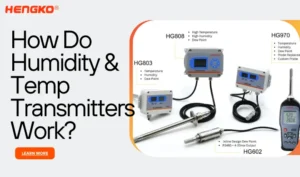
In short, Humidity and temperature transmitters measure and send environmental data to control systems. They
Entre em contato com a nossa equipe de especialistas para obter assistência personalizada e forneceremos prontamente as melhores soluções de transmissores e sensores de temperatura e umidade adaptadas às suas necessidades específicas.
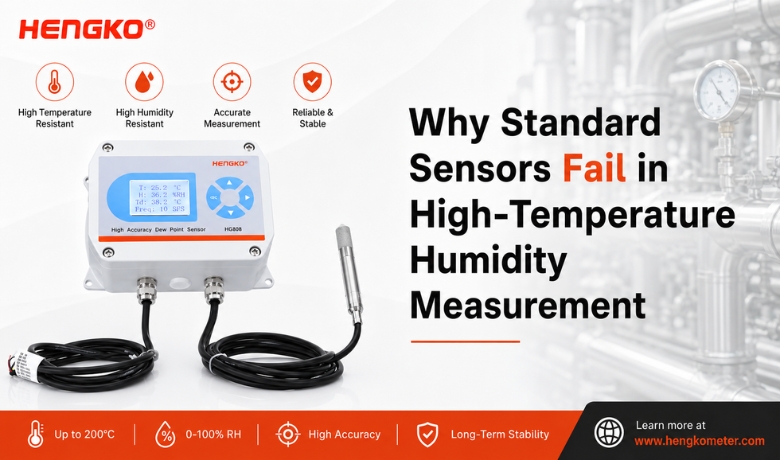
Why Standard Humidity Sensors Fail in High-Temperature Environments Quick Summary Standard humidity sensors are mainly designed for ambient or moderate industrial conditions. Under sustained high
Why Standard Humidity Sensors Fail in High-Temperature Environments Quick Summary

How to Monitor Temperature and Humidity in High-Temperature Industrial Drying

High-Temperature Humidity Transmitter for 200℃ Industrial Drying Ovens-HG808-T In many